Bonded Paint Protection That Outlasts Traditional Wax
Ceramic Coating in Flint for vehicles requiring long-term protection against environmental contaminants and UV exposure
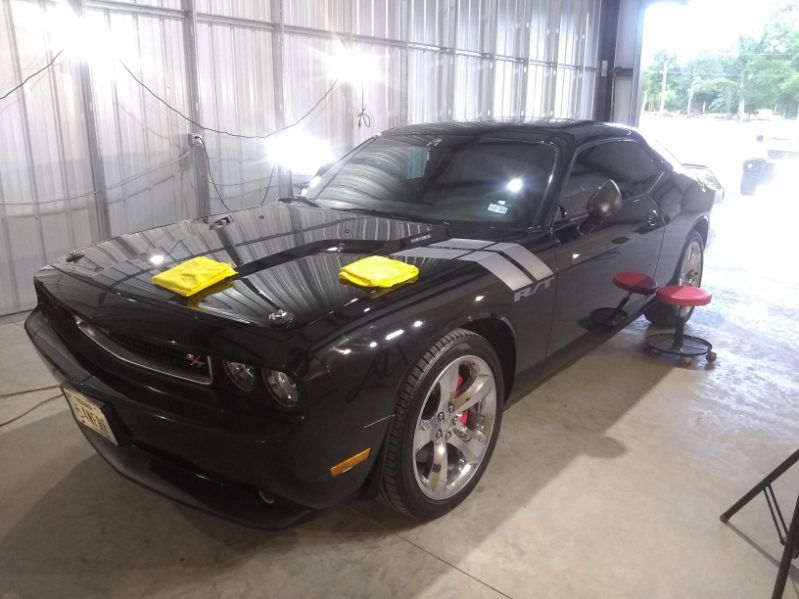
Wax and sealant protection degrades within weeks under East Texas sun exposure, requiring frequent reapplication to maintain water beading and surface protection. Ceramic coating creates a bonded layer on properly prepared paint that resists environmental fallout, road grime, and UV radiation for years rather than months. Vision Detailing applies professional-grade ceramic coatings after completing paint correction to remove swirls and defects that would otherwise remain visible beneath the coating. The coating does not repair existing imperfections—it locks in whatever surface condition exists at application, making thorough preparation essential to final appearance.
Coating application involves panel-by-panel product spreading, leveling, and curing under controlled temperature conditions. The ceramic formula cross-links with clear coat at a molecular level, forming a hydrophobic surface that causes water to bead into tight spheres and roll off rather than spreading into sheets that leave mineral deposits. This hydrophobic effect also helps dirt and organic contaminants release more easily during washing, reducing the scrubbing effort required to maintain clean surfaces.
Request a paint evaluation to assess correction needs before coating installation and discuss which ceramic product matches your protection goals.
Why Surface Preparation Determines Coating Performance
Ceramic coating bonds to whatever surface condition exists beneath it, so swirls, scratches, and oxidation remain visible after application if paint correction is skipped. Vision Detailing uses machine polishing to level paint surfaces before coating, ensuring the final result shows gloss and clarity rather than magnified defects. Paint is then wiped with an alcohol-based panel prep solution to remove polishing oils, wax residue, and contaminants that prevent proper coating adhesion.
After coating cures, paint surfaces display enhanced depth and gloss that remains consistent through repeated washing cycles. Water sheets off panels during rain rather than sitting in droplets that evaporate into spots. Contaminants like tree sap, bird droppings, and bug splatter wipe away more easily because the smooth ceramic surface provides fewer anchor points for organic material to bond.
Ceramic coatings do not eliminate the need for washing, but they extend time between washes and reduce the mechanical effort required to remove dirt. Coated vehicles still benefit from proper two-bucket wash methods using pH-neutral soaps that preserve the ceramic layer rather than stripping it prematurely. Coating longevity depends on maintenance habits, exposure levels, and whether the vehicle is garaged or parked outdoors where UV exposure accelerates degradation.
Frequent Coating Questions
Customers considering ceramic protection typically ask about durability expectations, maintenance requirements, and how coating compares to film protection.
What does ceramic coating actually protect against?
Coating resists UV fading, water spotting, light scratches from washing, chemical staining from environmental fallout, and organic contamination. It does not prevent rock chips, key scratches, or impact damage that requires physical film protection.
How long does ceramic coating last in Flint's climate?
Professional-grade coatings maintain hydrophobic properties for two to five years depending on product formulation and exposure. East Texas heat and humidity stress coatings more than moderate climates, so regular maintenance washing preserves performance longer.
Can ceramic coating be applied over existing wax or sealant?
No, all previous protection layers must be removed through paint correction and alcohol panel prep. Coating bonds to clear coat, not to wax or sealant residue, so contamination prevents proper adhesion and causes premature failure.
What happens if the coating becomes damaged or wears unevenly?
Minor high-spot wear from frequent contact areas can be addressed through spot reapplication after light polishing. Severe damage or full coating failure requires complete removal through polishing and fresh application to restore protection.
Does Vision Detailing use specific ceramic coating brands?
Yes, professional-grade coatings with proven durability and hydrophobic performance are selected based on project requirements. Product choice depends on expected vehicle use, storage conditions, and protection duration goals.
Vision Detailing completes paint correction and ceramic coating installation in a controlled shop environment where temperature and dust levels support proper curing. Call to schedule a paint assessment and review coating options based on how your vehicle is used and stored in East Texas conditions.